Table Of Content
- Safety Consideration When Using Adaptive Cruise Control
- How to Use the Cruise Control Feature
- How to Use Cruise Control on a Car
- Traffic Safety is Crucial to Your Business
- Life has many roads. Your weekly Navigator is just a click away.
- Comparative Analysis of Modern Cruise Control Systems
- Excessive Speed Prevention
By following the steps above, you should be able to determine if your car is equipped with cruise control. There are several ways to determine if your vehicle is equipped with cruise control. Moreover, its driving dynamics are impressive, providing a smooth and comfortable ride. Whether you’re looking for a daily driver or a weekend getaway vehicle, the Evoque is sure to provide a luxurious and enjoyable ride. It provides all the features and amenities one would expect from a luxury car, without the hefty price tag. To turn on DCC, locate the Cruise Control switch, usually marked with a speedometer symbol, on the left side of the steering wheel or dashboard.
Safety Consideration When Using Adaptive Cruise Control
Delphi's 76-GHz system can also detect objects as far away as 492 feet, and operates at speeds as low as 20 mph (32 kph). As you’re learning how to operate a vehicle, understanding cruise control will help increase your comfort behind the wheel and knowledge of driving. With adaptive cruise control, problems can arise from blocked sensors or system malfunctions. Ensure that the sensors, often located in the front grille or under the mirrors, are clean and unobstructed. For system malfunctions, professional diagnostics are essential, as these systems involve advanced electronics and software.
How to Use the Cruise Control Feature
Ford’s Co-Pilot360 includes adaptive cruise control with stop-and-go and lane-centering. It’s less about hands-free driving and more about reducing driver fatigue and enhancing safety. This system is excellent for everyday driving, offering features like speed sign recognition and evasive steering assist.
How to Use Cruise Control on a Car
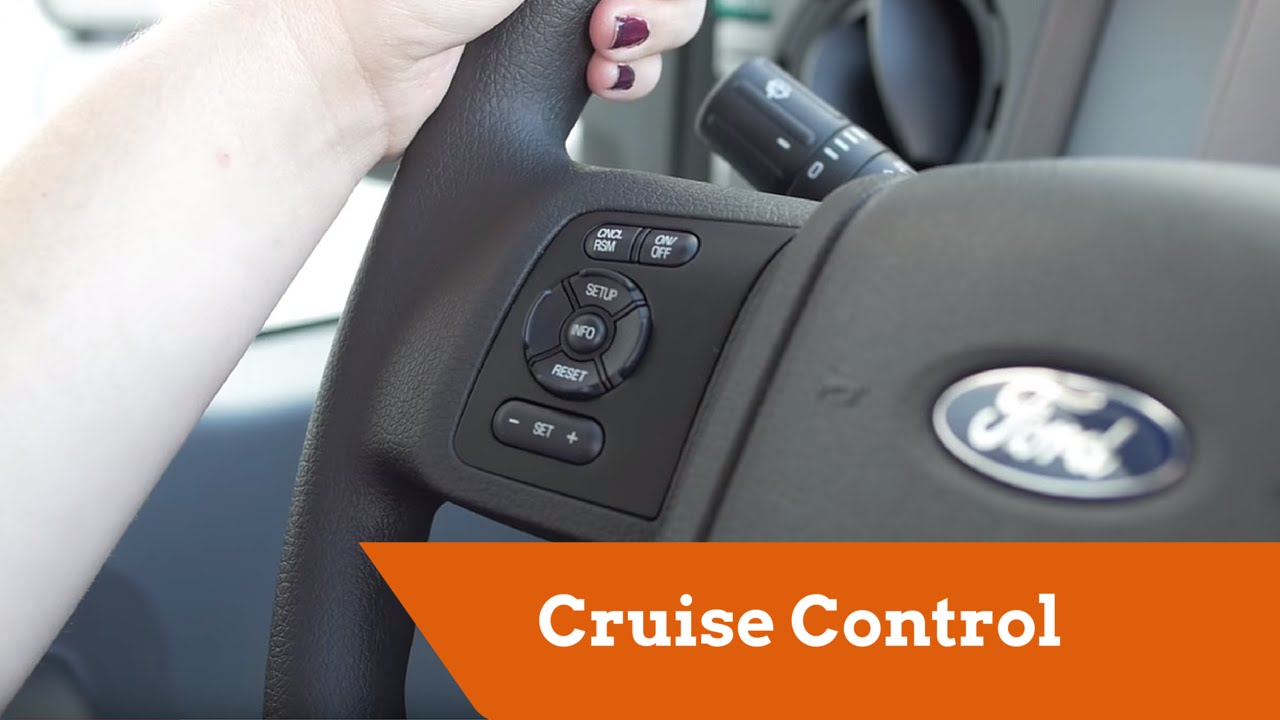
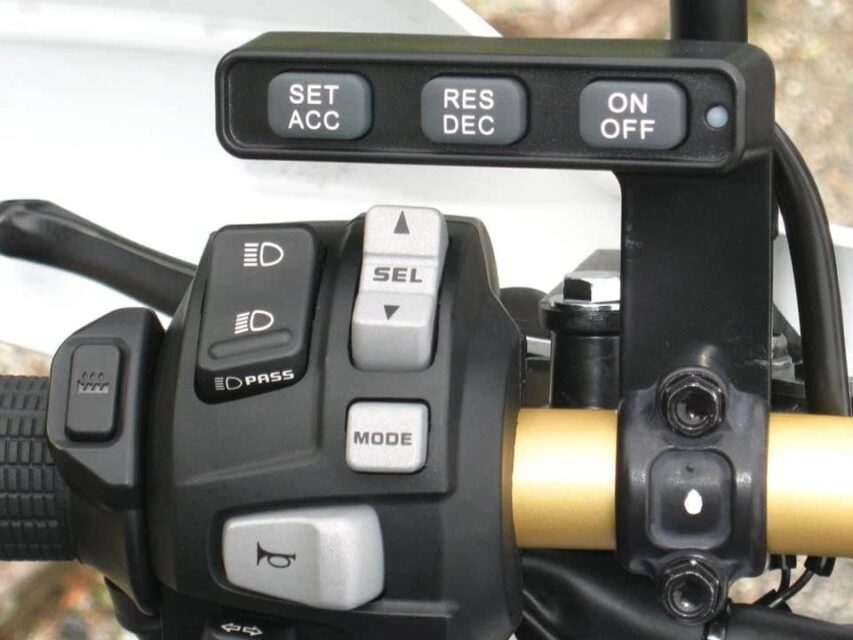
While it offers substantial automation, it still requires driver supervision and isn’t fully autonomous. In the realm of modern vehicles, cruise control systems have evolved significantly, offering a range of functionalities tailored to enhance driving experience and safety. The steering-wheel controls for some systems have buttons or toggles with labels like “Accel” and “Decel,” while others simply use up-and-down arrows to signify a button’s function. We recommend consulting your car’s owner’s manual to decode the cruise control buttons and their operation for your specific vehicle. Here’s a list of the driver-operated functions provided by the cruise control buttons and toggles. Some controls perform multiple functions, depending on how they are used.
My lovely car limiter proves why cruise control sucks - Byteside
My lovely car limiter proves why cruise control sucks.
Posted: Thu, 17 Oct 2019 07:00:00 GMT [source]
Traffic Safety is Crucial to Your Business
Let's Debunk The Idea That It's Not Safe To Use Cruise Control In The Rain - Jalopnik
Let's Debunk The Idea That It's Not Safe To Use Cruise Control In The Rain.
Posted: Wed, 31 Jul 2019 07:00:00 GMT [source]
While wheel alignment and balance both contribute to a smoother ride, the services are quite different. A wheel alignment makes sure your tires contact the road in the correct way... ” mapfreinsurance.com/blog/how-does-cruise-control-in-cars-work (accessed July 11, 2023).

Cruise control can also prevent speeding and increase fuel efficiency by limiting unnecessary acceleration and braking. Cruise control is a feature commonly found in cars and is used to maintain consistent vehicle speed without the need to constantly press the accelerator pedal. Cruise control, also known as speed control, is an electronic system that allows you to maintain a specific speed without manually controlling the accelerator pedal. The system uses sensors and electronic components to control the throttle and keep your car moving at a desired speed. First introduced in the late 1950s, cruise control has since become a standard feature in most modern vehicles you see on the road today.
This is achieved through a radar headway sensor, digital signal processor and longitudinal controller. If the lead vehicle slows down, or if another object is detected, the system sends a signal to the engine or braking system to decelerate. Then, when the road is clear, the system will re-accelerate the vehicle back to the set speed.
Unlike Tesla’s FSD, it’s limited to highway use but excels in hands-free driving comfort and safety. If these sensors are dirty or malfunctioning, the system might not maintain the speed. Also, consider checking wheel alignment and tire condition, as these can affect performance. Cruise control is an electronic system that allows a vehicle to maintain a steady speed set by the driver. Cruise control is designed to be used on roadways without frequent stops.
Excessive Speed Prevention
Some of the more sophisticated systems of these features can adjust vehicle speed to cope with changes in road topography. This means the system will increase speed when going down a hill and reduce it when going up a hill, thereby maintaining the desired speed. The driver activates cruise control by moving a switch or button usually located on the steering wheel or center console of the car.
If you’re going to be driving for miles without any speed limit changes and with minimal steering, then cruise control can help make the journey easier. To turn the feature on, press the cruise control On/Off button on the steering wheel. Your vehicle will default to the type of cruise control you last used when you turned your vehicle off. When the system is turned on, you’ll see a white Adaptive Cruise Control icon in your cluster display or on your Head-Up Display, if your vehicle has that feature. The icon may look like a speedometer with a vehicle on top of it or an arc with a small triangle pointing through it. With Eyesight, if you set your Cruise Control speed to 50mph, yet you notice it is only going 40mph, this is due to a vehicle in front of you.
This is like a more advanced version of cruise control which users lasers, sensors or radar at the front of the car to detect other cars. For example, heavy goods vehicles (HGVs) can’t go above a maximum speed of 60mph even on a motorway. Speed limiters are similar to cruise control as they let you set a maximum speed that your car can’t go over. But unlike cruise control, you still need to use the accelerator pedal to maintain your speed. In the past, you’d only find it in luxury cars but it’s now a common feature in most new cars on the market.
A graphic on the driver information screen displays a representation of the changing minimum distances as you use the button to scroll through them. Quick acceleration and deceleration change the vehicle’s momentum drastically and wastes fuel. So, using cruise control is most fuel-efficient on level highways and long uphill and downhill grades. The Evoque is also packed with safety features, such as lane-keeping assist, blind-spot monitoring, and adaptive cruise control, which adds to its luxury feel. It helps drivers to set and maintain a desired speed and a safe following distance from the car ahead.


No comments:
Post a Comment