Table Of Content
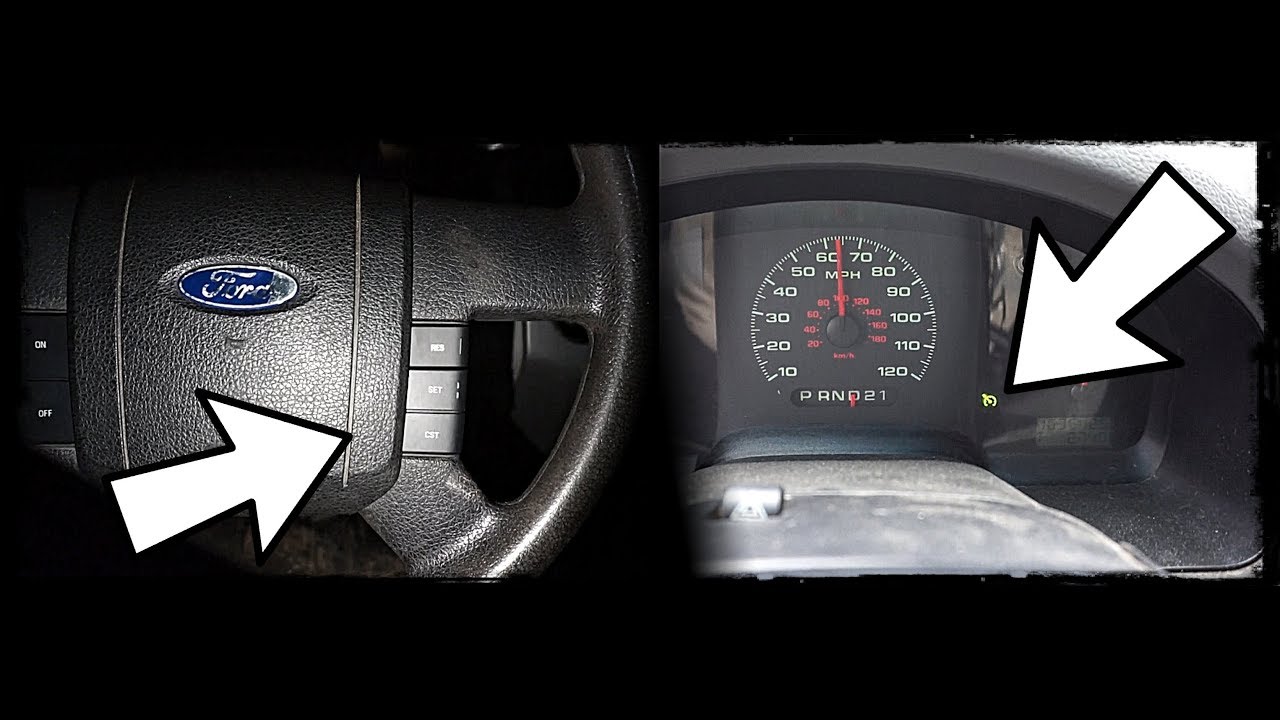
On the display, the icon will be greyed-out to show the system is on standby. You can resume cruising at the previous speed by pressing the resume (RES) button. In icy conditions and when driving in fog, you need more control over your speed.
Cruise Control In Cars Explained (And How To Safely Use It)
If these aren’t the issues, it might be a blown fuse, a faulty brake pedal switch, or a defective speed sensor. Check your vehicle’s manual for fuse information and consider a professional inspection of the brake pedal switch and speed sensor. Although individual carmakers may provide differing controls, the fundamentals of a basic cruise control system remain the same. That is, the driver manually sets and then can adjust the desired speed, while the cruise control system automatically responds to the driver’s input via steering-wheel-mounted controls.
Types of Cruise Control Systems
Ask A Trooper: Do not use cruise control on snowy roads - Austin Daily Herald - Austin Daily Herald
Ask A Trooper: Do not use cruise control on snowy roads - Austin Daily Herald.
Posted: Tue, 22 Feb 2022 08:00:00 GMT [source]
Press this button if you want to stop cruise control temporarily, for example, to avoid a dangerous situation or take over control of the vehicle. It’s currently found on luxury models like Audi and Tesla as well as the latest e-vehicles like the Nissan Leaf. It’s likely that more and more cars will begin to use sensors for lane-keep assist technology. Cruise control's meant to be used on long stretches of straight road.
– Watch the road and steer
Utilizing the system may add to your fatigue, as you give your vehicle more control of the journey. If you’re even the least bit tired, you should never turn on cruise control. It’s important to balance the use of cruise control with active driving engagement, ensuring that safety is always the top priority. Remain vigilant and ready to deactivate cruise control instantly in case of an emergency or changing traffic conditions. James is an experienced software developer who loves to write about cars in his spare time. Don’t be afraid to experiment with the features and settings to find the perfect speed for your drive.
Speed Limits
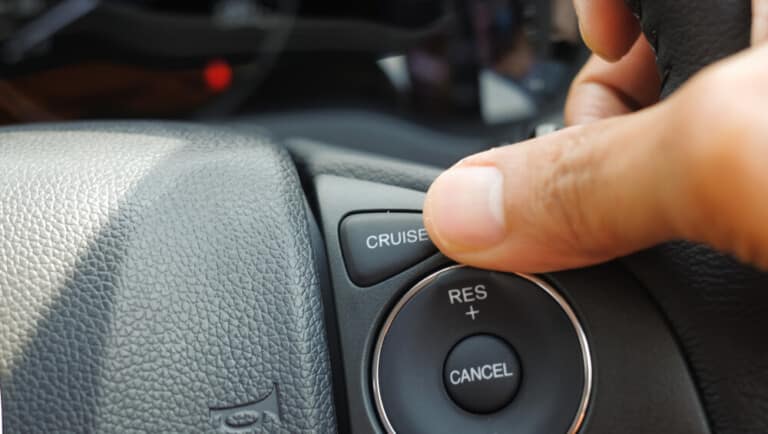
When used appropriately, conventional and adaptive cruise control are safe. If you need to speed up or slow down, press the resume button to adjust the speed or press the cancel button to deactivate the cruise control system. It is not safe to use cruise control while in heavy traffic, on steep hills, winding roads, or whenever you need to slow down or speed up a lot - such as in urban areas. This is because you need to maintain more precise control over the vehicle in these potentially more hazardous locations. Use the “Set-” (Set/Decelerate) button to reduce vehicle speed when the cruise control feature is active.
The Future of Cruise Control Technology
Press this button to reduce vehicle speed and reset cruise control speed. Once the speed is set, the cruise control system will monitor the vehicle speed. If the vehicle slows down or accelerates beyond the set limits, the system will respond by adjusting the throttle opening. This feature can help optimize fuel use by maintaining consistent vehicle speed. This can reduce fuel consumption compared to driving manually by changing speed frequently. Are the latest features of cruise control one step closer to driverless cars?
In other words, once set, the cruise control system automatically controls vehicle speed, relieving the driver of that responsibility. Once the cruise control feature is activated, use the “Res+” (Resume/Accelerate) button to increase vehicle speed. Press this button to restore the last set speed if you have canceled it previously or to accelerate the vehicle from the current speed. Two companies are developing a more advanced cruise control that can automatically adjust a car's speed to maintain a safe following distance. This new technology, called adaptive cruise control, uses forward-looking radar, installed behind the grill of a vehicle, to detect the speed and distance of the vehicle ahead of it.
We also wouldn’t advise you to use cruise control at night or if you’re feeling a bit tired. With less to do behind the wheel, there’s more danger that you’ll fall asleep. It even works out how much power the car needs to keep the same speed, for example if you’re driving uphill or downhill.
Adaptive Cruise Control: How Does It Work? - Kelley Blue Book
Adaptive Cruise Control: How Does It Work?.
Posted: Thu, 21 Jul 2022 07:00:00 GMT [source]
So if the vehicle ahead speeds up, your vehicle will increase the speed automatically to reach your set cruising speed. This factor helps the cruise control respond quickly to changes, such as hills. In the picture above, you can see two cables connected to a pivot that moves the throttle valve.
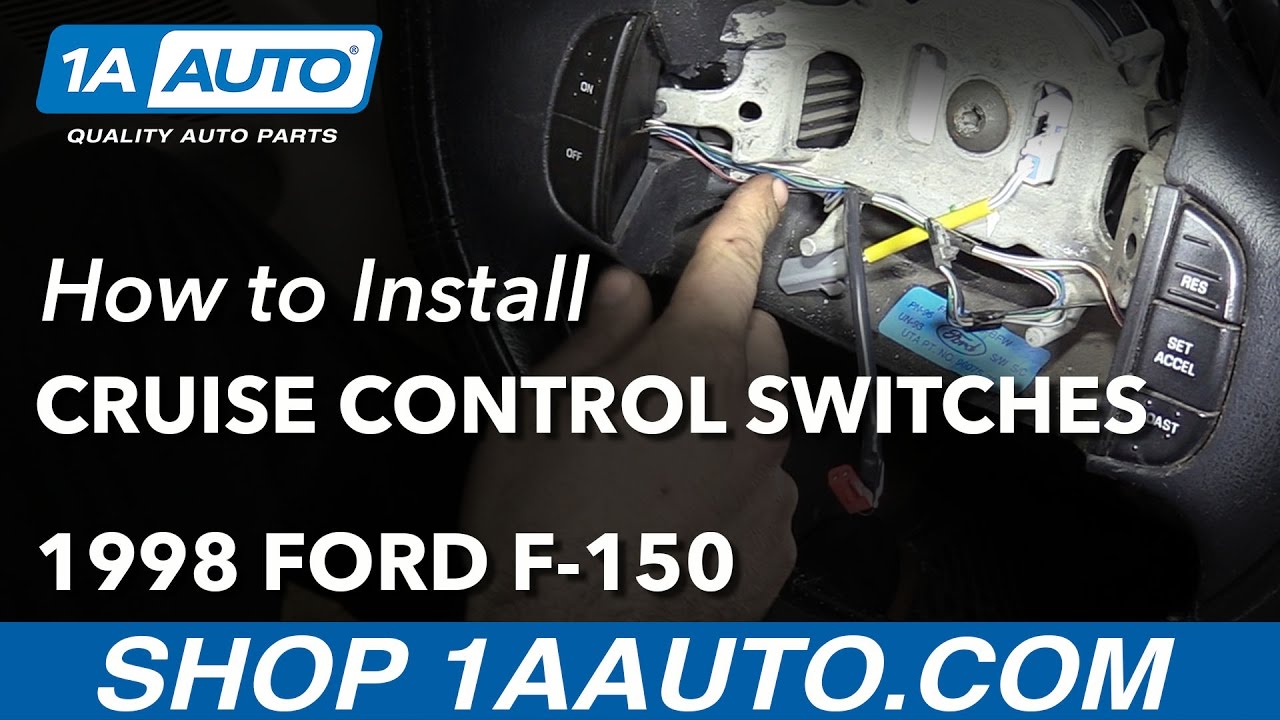
While cruise control is a convenient feature for modern drivers, it is not perfect for all circumstances. In fact, utilizing the system can be quite dangerous if you’re not careful. Cruise control is not a substitute for a human driver and will require supervision at every step. If you are using a semi-autonomous system, you will not need to steer but will need to keep at least one hand on the wheel for safety measures. Typically, you can operate the functions of the cruise control system on today’s new cars using buttons located on the steering wheel.
The system will slow you down and speed you up as the flow of traffic fluctuates throughout your commute, removing a lot of the stress from daily driving. However, adaptive cruise control may not work well in bad weather or protect you from sudden movements, so you will want to always keep your full attention on the road. Cruise control is an electronic device within your vehicle that controls the speed of your vehicle. It allows the driver to maintain a constant speed of 25 mph without holding their foot on the accelerator. Cruise control is best suited for long drives on large, straight roads such as an interstate highway with cars traveling at a relatively constant speed. It’s inappropriate in stop-and-go traffic; when weather conditions are snowy, icy, or even heavy rain; on narrow, curvy roads; or with frequent speed limit variations.
There are also several important safety features -- the cruise control will disengage as soon as you hit the brake pedal, and it won't engage at speeds less than 25 mph (40 kph). As autonomous vehicles become more sophisticated, cruise control technology is evolving to support higher levels of automation. For example, some autonomous vehicles are equipped with advanced cruise control systems that can navigate complex traffic scenarios, merge onto highways, and even change lanes autonomously. One of the main advantages of using cruise control is improved fuel efficiency. By maintaining a constant speed, cruise control helps reduce fuel consumption, leading to better gas mileage. Rapid acceleration and deceleration, on the other hand, can lead to increased fuel consumption.
Adaptive cruise control (ACC) is the latest type of cruise control that’s becoming widely available in cars. ACC maintains your speed but incorporates sensors to measure the distance to the car ahead. Once you set a distance, the ACC adjusts your speed to ensure you stay at that distance — usually a car length or two. Modern cruise control is electronic and uses a computer to control your car’s speed. According to Scientific American, cruise control in cars has been around since the early 1900s, but it’s changed over time. Early versions were mechanical, using a second throttle lever mounted to the steering wheel.
GM’s Super Cruise excels in hands-free highway driving, while Ford’s Co-Pilot360 focuses on safety and driver assistance for everyday use. Mercedes-Benz and BMW offer systems that blend convenience, safety, and a step towards higher autonomy, maintaining a balance between automated and manual driving. Once familiar with your car’s cruise control system, you can try it out. Wait for a moment when it’s appropriate to use cruise control before turning it on. Check that the road is clear, that weather conditions are good, and that you’re on a highway or a road where you won’t have to stop or change speed often. If conditions are right to use cruise control in your car, turn on the system.


No comments:
Post a Comment